Understanding Meal Preparation Strategies for Time-Limited Routines

Educational content exploring batch cooking, ingredient organisation, and time-efficient food preparation techniques.

Educational content only. No promises of outcomes.

Principles of Batch Preparation

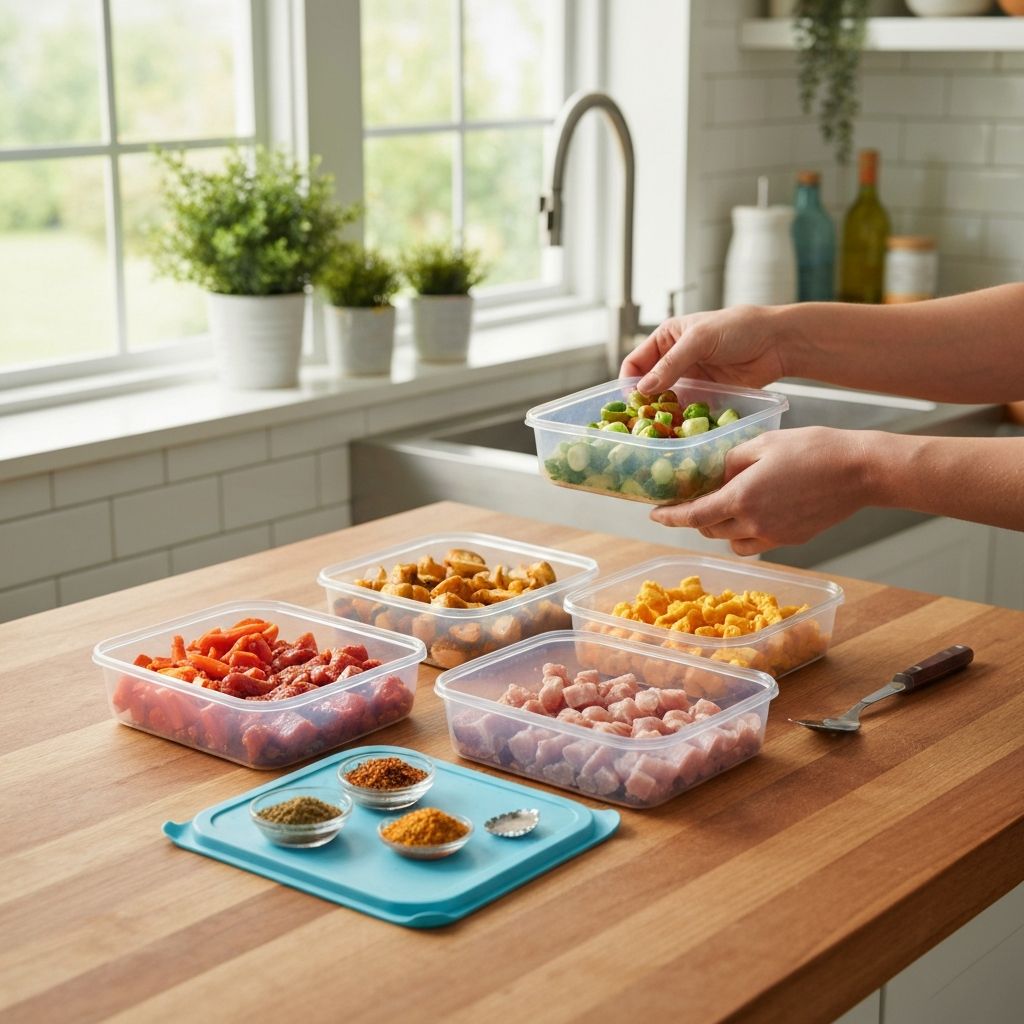
Batch preparation, also known as component cooking, involves cooking larger quantities of individual ingredients in advance and storing them separately. Rather than preparing complete meals, this approach focuses on creating versatile building blocks that can be combined in various ways throughout the week.

The concept emphasises organisation and time efficiency, allowing individuals to assemble different meals using pre-prepared components based on preference and occasion. This method acknowledges that individual schedules, preferences, and cooking confidence vary significantly.
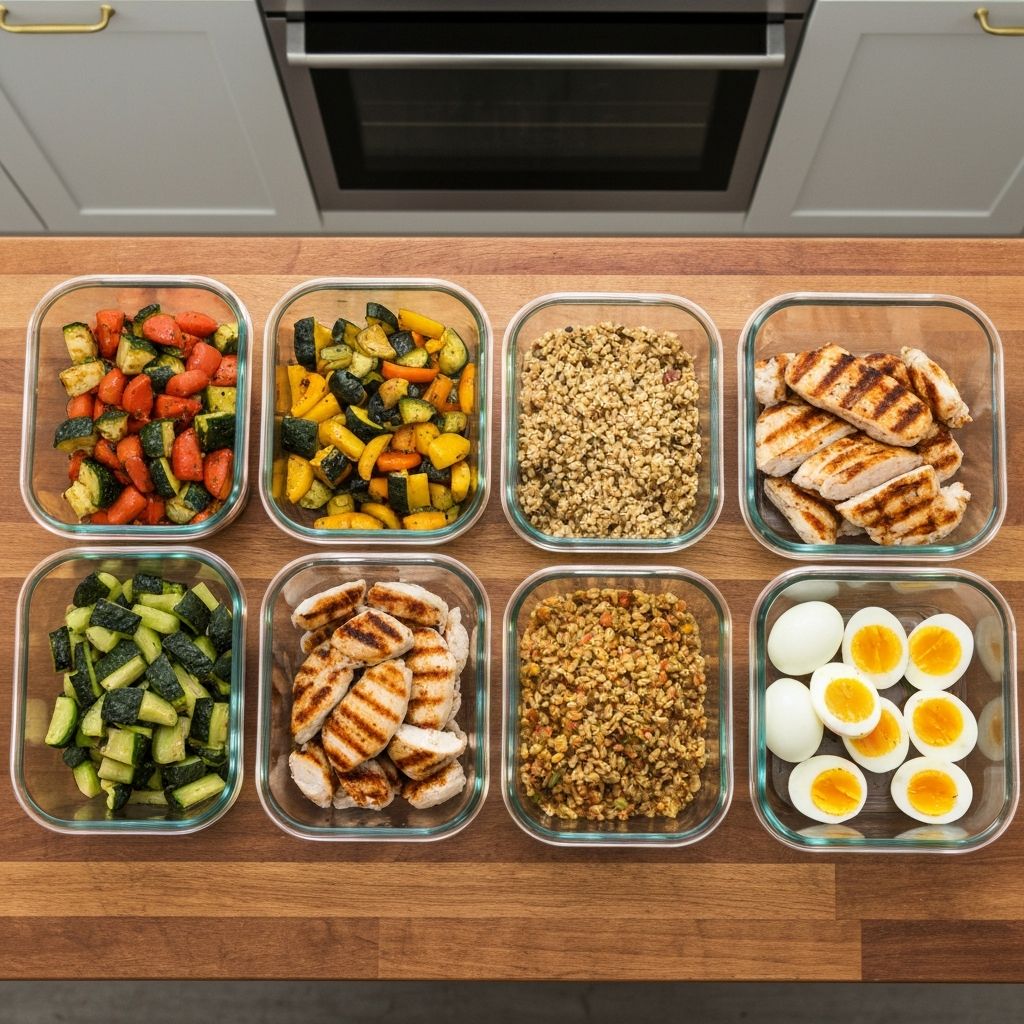
Batch preparation components in glass containers

Versatile Base Ingredients Overview

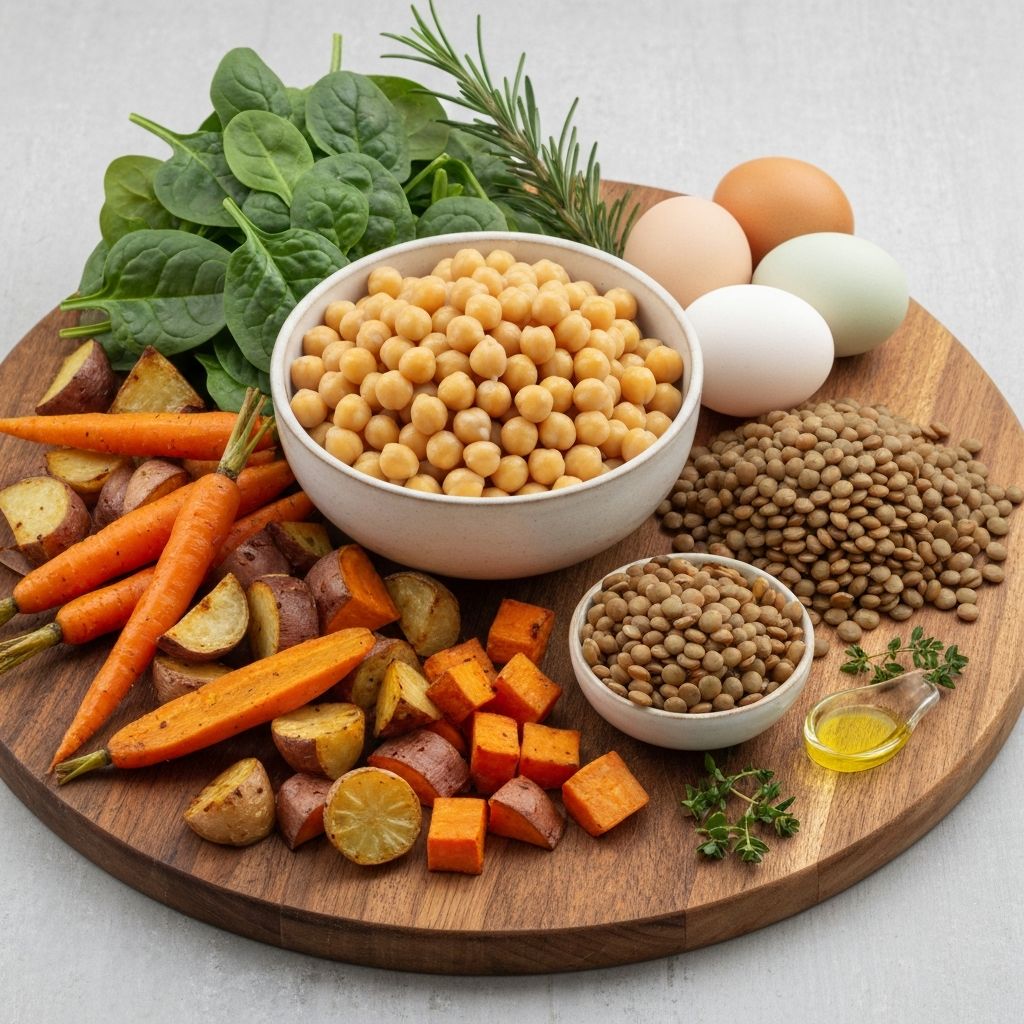
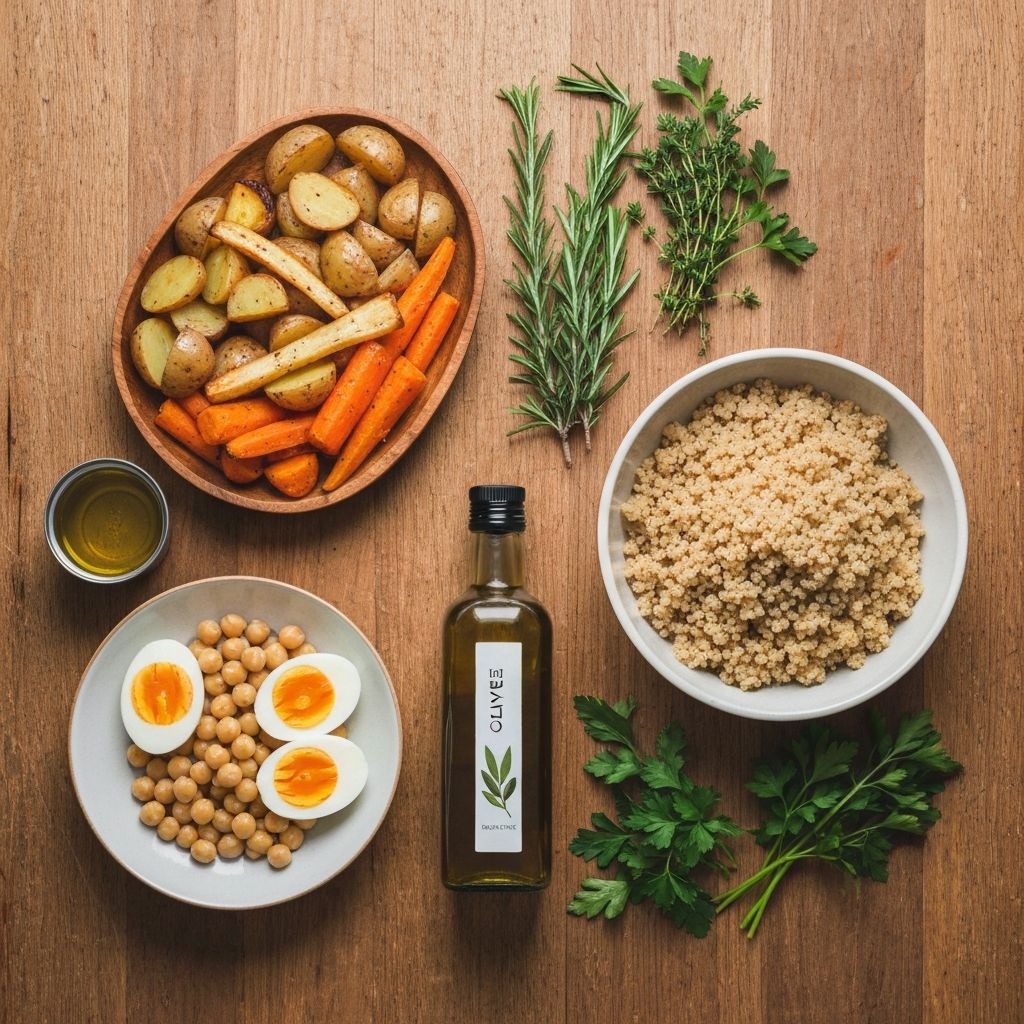
Common UK supermarket ingredients frequently used in batch preparation include roasted root vegetables, cooked grains, tinned pulses, eggs, and proteins like grilled chicken. These components are chosen for their versatility, storage stability, and compatibility with various flavour combinations.

Roasted vegetables provide both nutrition and flavour, cooked grains offer carbohydrate-based substance, and protein sources ensure satiety. The variety available in standard supermarkets means multiple preparation approaches are accessible regardless of dietary preferences or cooking skill level.

Common UK meal prep ingredients

One-Tray Roasting Techniques

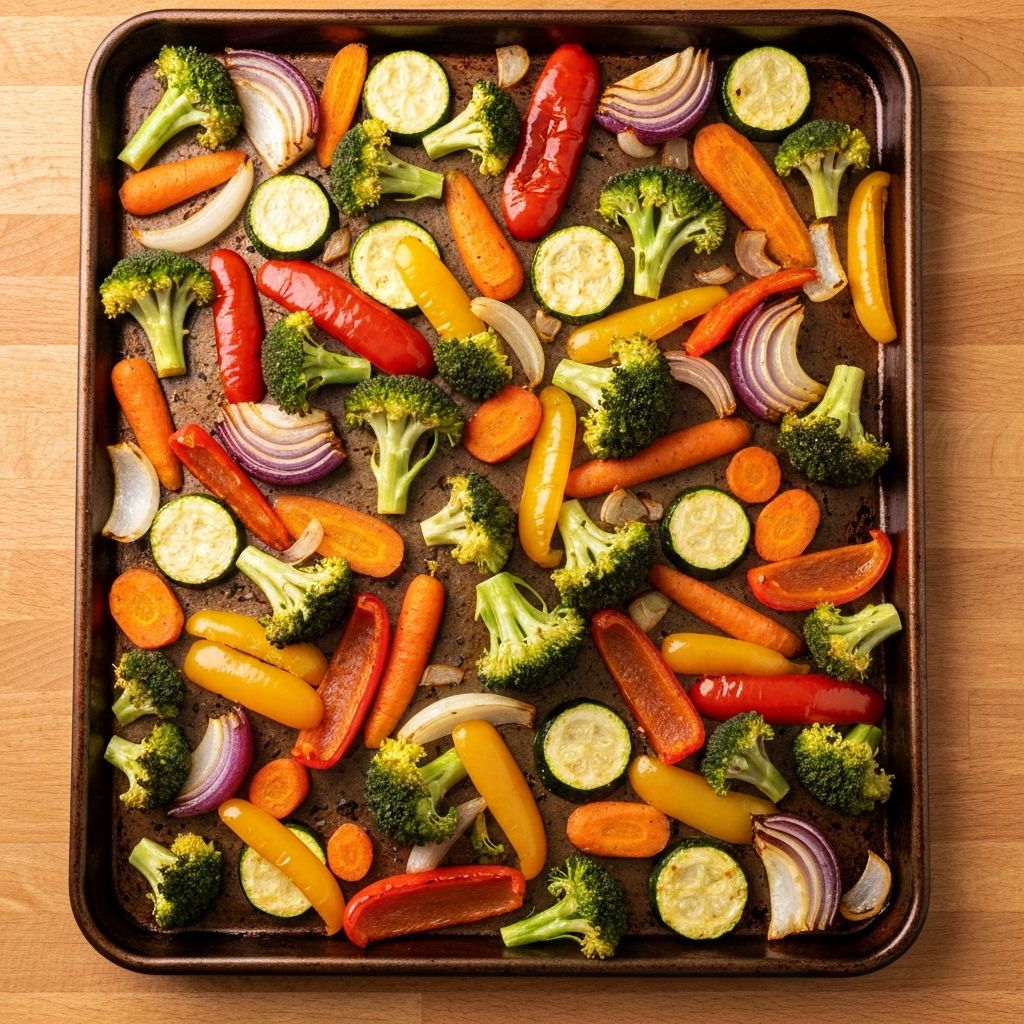
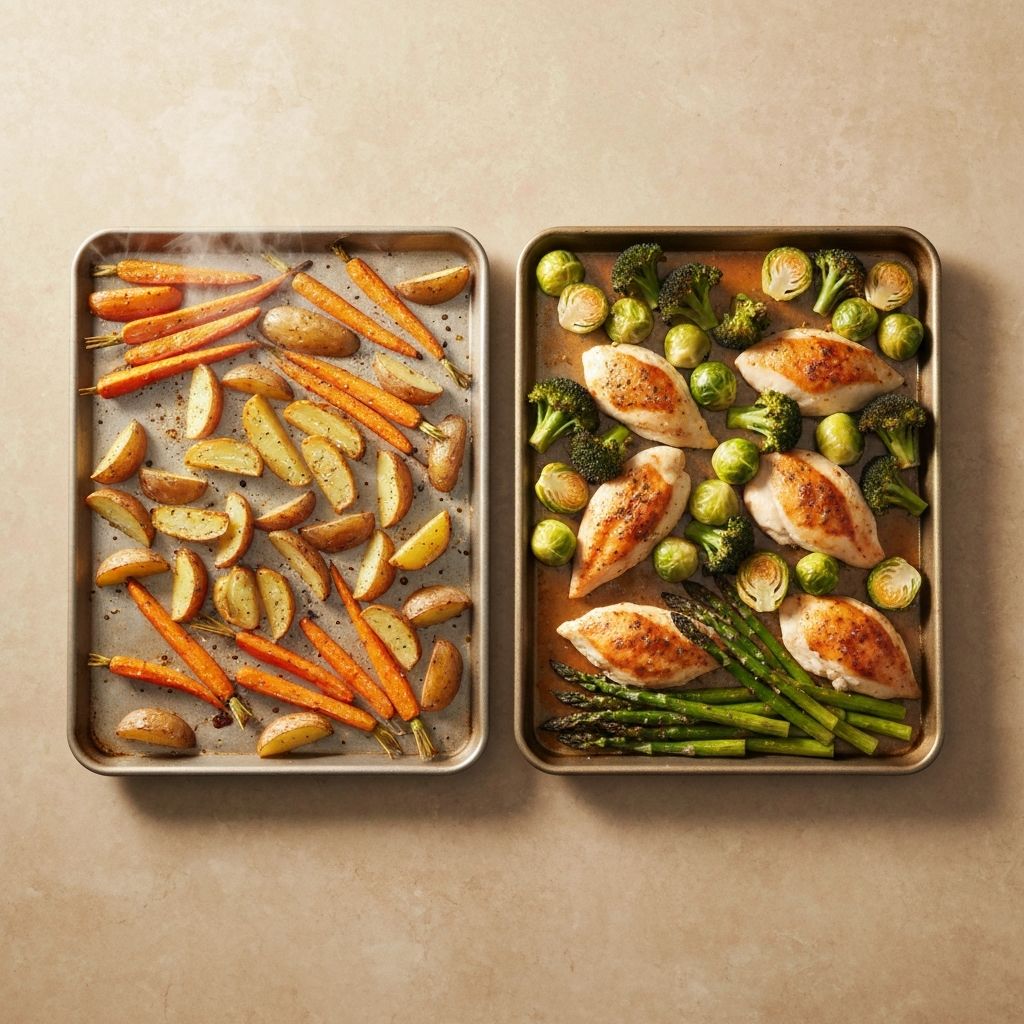
Sheet pan roasting represents one of the most time-efficient preparation methods. By combining vegetables and proteins on a single tray with minimal oil and seasoning, multiple components can be prepared simultaneously. Timing and temperature variation allow different textures and flavours to develop during a single roasting session.

This technique reduces both active preparation time and cleaning requirements. Understanding how different vegetables and proteins respond to dry heat enables efficient execution and reliable results across multiple batches.

Sheet pan roasting preparation

Multi-Use Sauces and Dressings

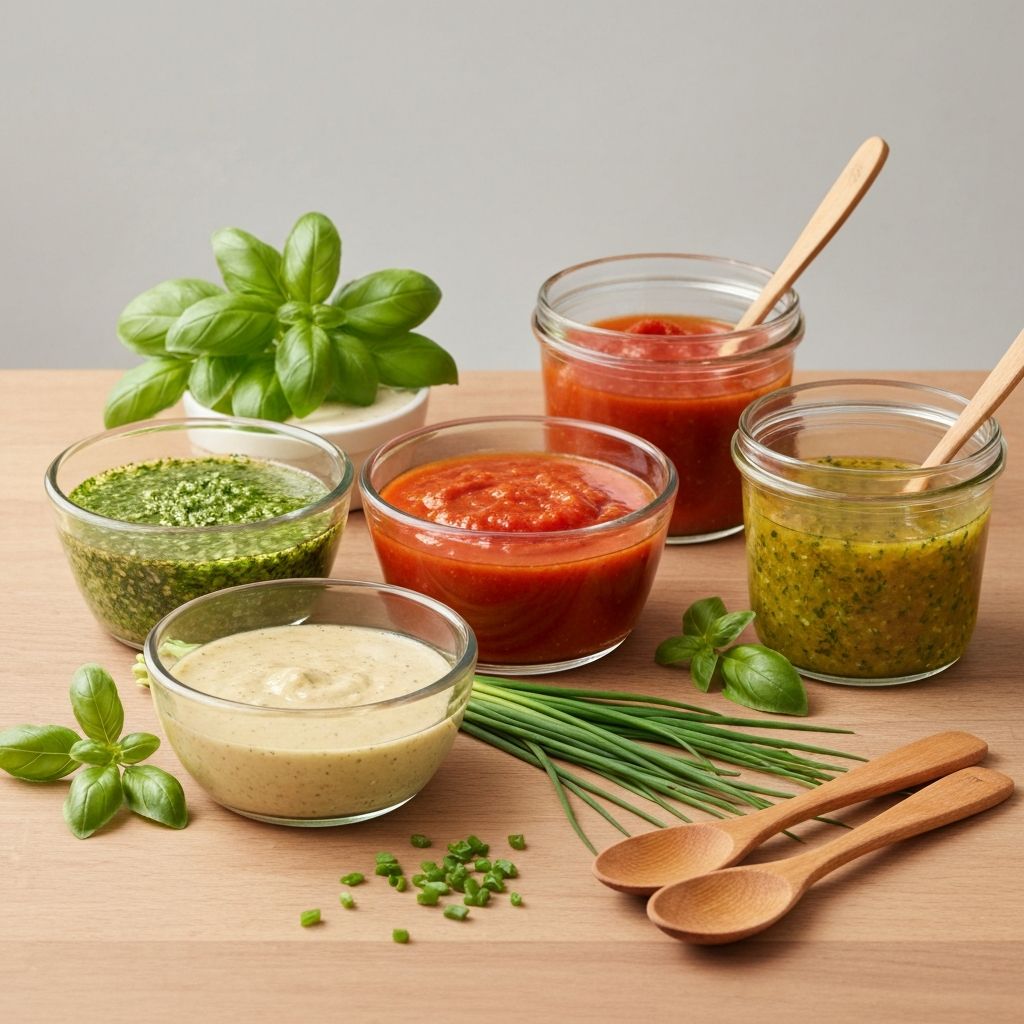
Creating flavour bases in advance expands the variety available from pre-cooked components. Simple combinations of oils, vinegars, herbs, and other seasonings can be prepared and stored in glass jars. These bases transform neutral-tasting components into distinct flavours across multiple meals.

Different cuisines and flavour profiles require different base combinations. Understanding how basic elements combine allows individuals to prepare versatile finishing elements that suit personal preference without requiring fresh preparation at each eating occasion.

Fridge & Freezer Organisation

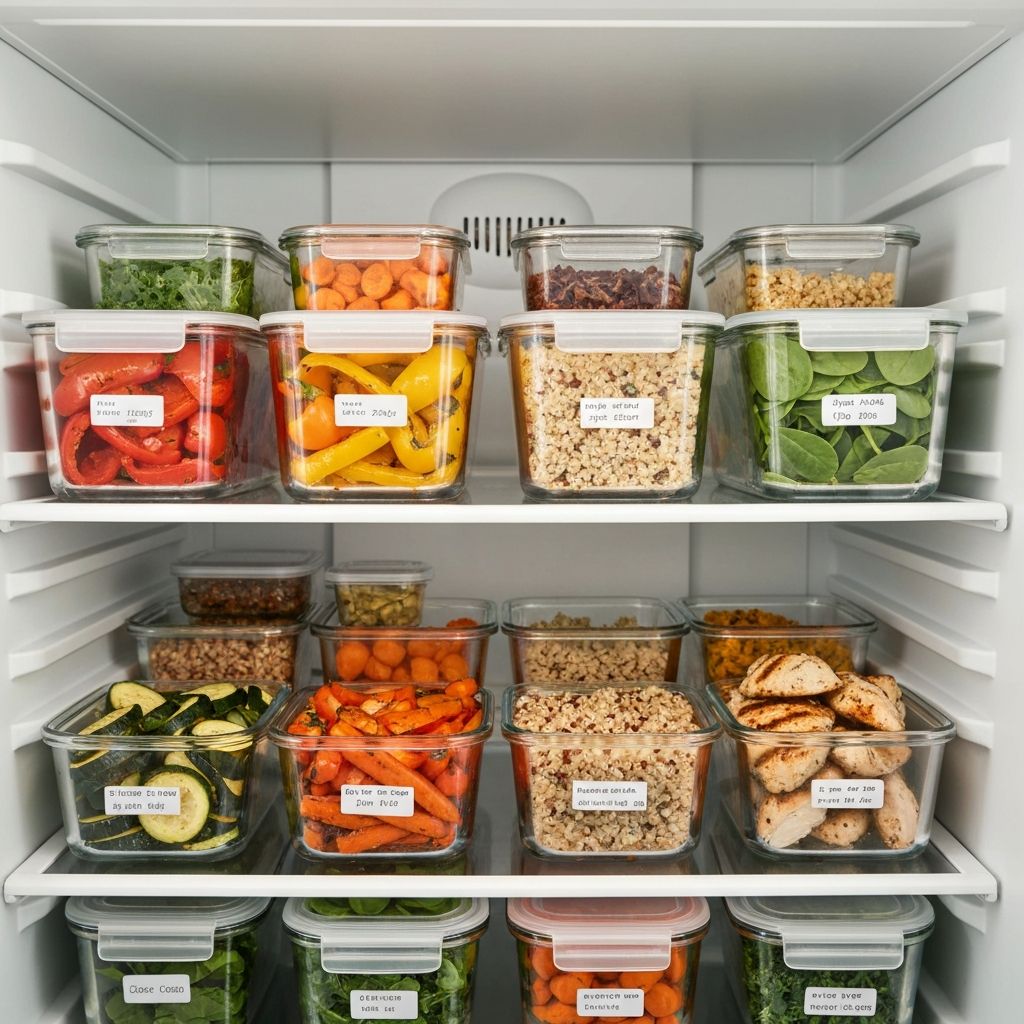
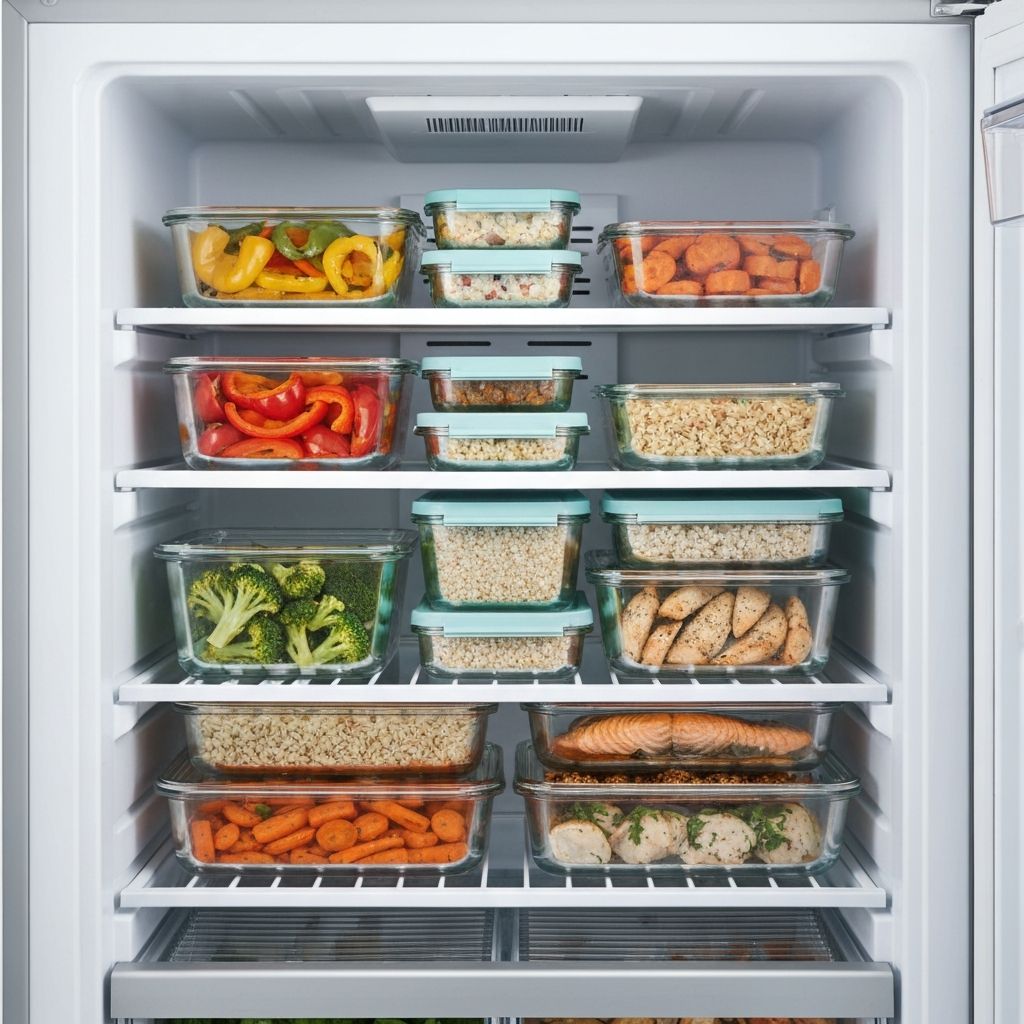
Physical organisation of storage spaces influences decision-making around what to eat at each occasion. Visual awareness of available components encourages variety and reduces reliance on impulse purchases or convenience options.

Clear, labelled glass containers make contents immediately identifiable. Designated shelves for similar components simplify location and selection. Freezer organisation using stackable containers maximises available space while maintaining easy access to frequently used items.

Organized fridge with glass containers

Portionable Container Benefits

Using consistent, appropriately sized containers establishes visual reference points for amounts consumed at each occasion. The physical boundary created by container size influences awareness without requiring active calorie counting or portion measurement.

Glass containers with lids serve multiple purposes: storage protection, visual identification, and portability for transport to work or other locations. The reusable nature of quality containers aligns with practical sustainability considerations relevant to everyday household management.

Time-Saving Workflow Examples

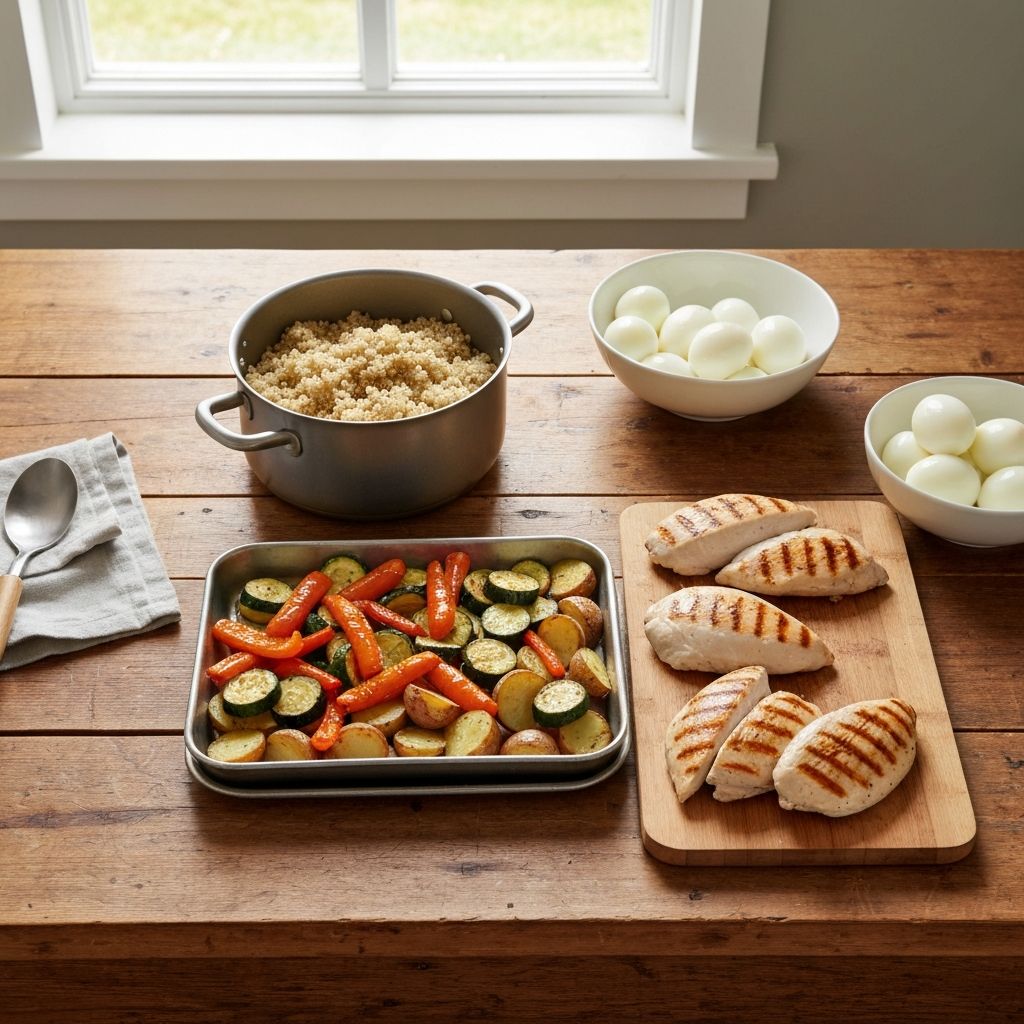
A typical weekend preparation session might include: roasting multiple trays of different vegetables simultaneously, cooking a pot of grains, preparing a protein source, assembling and labelling components into storage containers, and preparing 2–3 sauce or dressing bases.

Duration varies based on quantities prepared, equipment available, and individual cooking confidence. Some individuals complete a week's preparation in 2–3 hours, while others distribute the work across multiple shorter sessions. The flexibility of the approach accommodates different work schedules and preferences.

Individual Schedule Variability

Eating occasions vary significantly based on work patterns, family commitments, activity levels, and personal routine. Some individuals maintain consistent meal times, while others navigate irregular schedules requiring flexibility in preparation approaches.

Batch preparation acknowledges this variability by providing flexibility rather than rigid meal plans. Components prepared in advance can be assembled in different combinations based on actual need, rather than predefined sequences. This approach suits both structured and fluid daily patterns.

Frequently Asked Questions

How long do prepared components typically remain safe to eat?

Storage duration depends on the specific component, preparation method, and storage conditions. Cooked vegetables typically remain safe for 3–5 days in refrigeration. Grains last 4–5 days. Protein sources vary based on type and cooking method. Freezing extends these durations significantly, typically 1–3 months depending on component type. Proper container sealing and consistent cold temperatures support safety.

What equipment is necessary for efficient batch preparation?

Basic equipment includes sheet pans, a large cooking pot, storage containers, and cutting boards. Many individuals find a food thermometer helpful for protein preparation. Weighing scales are optional but support consistency. Quality knives and kitchen storage containers represent the primary investments. The specific equipment needed depends on preferred preparation methods and component quantities.

Can batch preparation accommodate different dietary approaches?

Component cooking provides flexibility across numerous approaches because preparation remains separate from combination. Individuals can prepare protein, vegetable, and grain components suitable for their approach and combine them according to preference. This method accommodates plant-based approaches, lower-carbohydrate approaches, and various other frameworks without requiring preparation of separate complete meals.

How does batch preparation influence decision-making around eating occasions?

Advance preparation changes the decision available at eating occasions. Rather than choosing between various external options or preparing food from raw ingredients, individuals select from pre-prepared components. This influences what becomes accessible without additional preparation time, though it does not determine what individuals actually consume at each occasion.

What preparation methods work best for beginners?

Starting with simple components—roasted vegetables, cooked grains, and basic proteins—provides manageable introduction. Sheet pan roasting requires minimal technique. Pre-cooked grains from supermarkets reduce cooking steps if preferred. Beginning with smaller quantities allows individuals to establish routine before scaling up. Gradual addition of more components and techniques matches developing confidence.

How do preparation time and schedule variability relate?

Individuals with consistent schedules might complete all preparation in a single session. Those with irregular patterns can distribute preparation across multiple shorter sessions throughout the week. Components prepared on different days can be stored together, allowing flexible assembly based on actual eating occasions. The approach accommodates both structured and variable patterns without requiring rigid adherence.

What role do containers play in batch preparation?

Containers serve practical functions including storage protection, moisture management, and portability. They also create visual reference points for amounts and component identification. Glass containers with tight-sealing lids provide durability and visibility. Consistent container sizes across different components simplifies storage arrangement. The container type influences how long components remain in good condition during storage.

How does batch preparation relate to food waste reduction?

Advance preparation increases likelihood of consuming ingredients before spoilage because components are immediately rendered into shelf-stable prepared form rather than stored as raw ingredients. Batch cooking in larger quantities often reduces packaging waste. Clear visibility of available prepared components in storage encourages consumption and discourages duplicate purchases. The impact varies based on individual practice and consistency.

What observational research exists regarding preparation frequency and dietary outcomes?

Observational studies indicate associations between meal preparation frequency and various dietary quality markers including vegetable consumption and overall nutrient density. These associations remain correlational rather than establishing causal relationships. Individual outcomes vary based on numerous factors including specific preparation choices, other lifestyle patterns, and personal circumstances. No causal weight effects should be assumed from preparation frequency alone.

How can individuals adapt preparation methods to their specific circumstances?

Individual circumstances including available cooking equipment, food preferences, work schedule, cooking confidence, storage space, and household composition all influence optimal preparation approaches. No single method suits everyone. Experimentation with different components, preparation methods, and storage solutions identifies what functions best for personal circumstances. Flexibility in approach accommodates changing life circumstances over time.

Continue Exploring Time-Efficient Food Preparation

Browse detailed guides, component strategies, and storage approaches in our comprehensive resource collection.

Explore Preparation Techniques