 Tavrin
Versatile Base Ingredients Available in UK Supermarkets
This article provides educational information on ingredients commonly used in meal preparation. It does not constitute nutritional or dietary advice. Individual food choices, preferences, and dietary requirements vary greatly.
Common UK Supermarket Components
Batch preparation relies on accessible, shelf-stable ingredients available through standard UK supermarket shopping. Understanding the versatility of commonly available items simplifies preparation planning and reduces decision complexity around component selection.
Roasted Vegetables
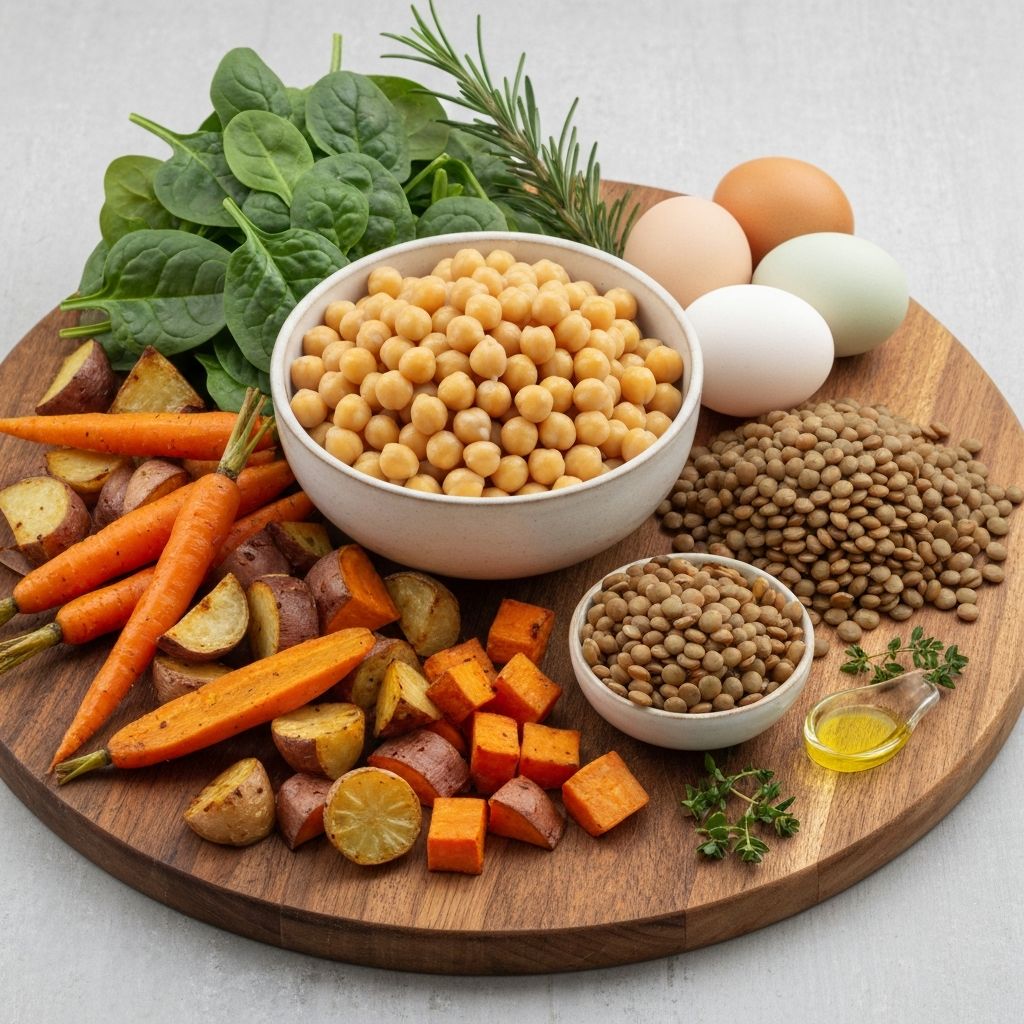
Root vegetables including carrots, parsnips, sweet potatoes, and beets provide substance, texture, and colour when roasted. Brassicas including broccoli, cauliflower, and cabbage develop distinct flavours through roasting. Bulb vegetables like onions and garlic become sweet and concentrated. Tomatoes, peppers, and zucchini provide lighter textural options. These vegetables remain stable throughout refrigerated storage and respond consistently to roasting across multiple preparation cycles.
Cooked Grains
Rice, quinoa, bulgur, and oats represent straightforward grain options available across UK supermarkets. Some supermarkets stock pre-cooked grains requiring only brief heating. Cooking larger batches of grains simultaneously reduces per-serving preparation time. Grains store effectively and provide carbohydrate content supporting satiety through the day. Different grains offer distinct textures and flavour profiles suitable for various applications.
Tinned and Dried Pulses
Chickpeas, lentils, beans, and split peas available either dried for cooking or pre-cooked in tins provide protein content and fibre. These ingredients require minimal equipment and cooking knowledge. Pre-cooked options eliminate the time requirement of longer cooking processes. Pulses combine effectively with vegetables and grains in various combinations and absorb flavours from dressings and sauces readily.
Eggs
Boiled eggs provide convenient protein-focused components requiring minimal preparation. Scrambled or baked eggs offer alternative preparations. Eggs store effectively and maintain quality throughout refrigerated storage duration. They serve as standalone protein components or integrate into grain and vegetable combinations.
Fresh Proteins
Chicken breasts, pork, and various fish fillets available at UK supermarkets provide familiar protein sources. Cooking proteins through roasting, poaching, or grilling creates straightforward components compatible with multiple vegetable and grain bases. Understanding basic cooking temperatures and methods ensures safety and consistency across multiple preparation cycles.
Fresh Vegetables
Salad greens, spinach, tomatoes, and cucumber provide fresh textural contrast to cooked components. These ingredients combine effectively with pre-prepared elements without requiring cooking. Fresh vegetables can be included at assembly time, allowing variability in freshness and preserving textural distinction between cooked and fresh elements.
Herbs and Seasonings
Fresh and dried herbs including parsley, basil, thyme, and oregano enhance component flavours. Dried versions provide stability and convenience. Basic seasonings including salt, pepper, and various spice blends remain shelf-stable and develop flavours effectively during batch cooking. These elements significantly influence the final taste outcome without requiring complex ingredient lists.
Oils and Condiments
Olive oil and other cooking oils support roasting and dressing preparation. Vinegars, soy sauce, and other condiments create flavour bases. These items remain shelf-stable and enable significant flavour variation across repeated uses of similar component bases.
Storage and Accessibility
Choosing ingredients based on availability in standard UK supermarkets ensures consistency and accessibility across seasons. Many items remain available year-round, while seasonal availability varies. Understanding these patterns supports planning around actual availability rather than assumptions about ingredient procurement.
Component Variability
No requirement exists to use identical ingredients across preparation cycles. Preference changes, seasonal availability, and budget considerations all influence component selection. Experimentation with different ingredient combinations develops familiarity with what functions effectively together and what alignes with personal preference.
Important Reminder: Ingredient selection depends on individual preferences, dietary approaches, food availability, and personal circumstances. This information is educational in nature and does not constitute dietary or nutritional advice.